The Holidays Can Be Stressful – But Here’s Something Fun!

Thanksgiving is here (in the US) and other holidays are coming up fast. This is supposed to be a joyous time – but as we all know, it can be stressful!

Will all the cooking and preparing get done? Will the children have needs and wants that get in the way of getting things done? After the family and friends arrive, will people talk about politics? Will a fight break out? Will children jump up from the table and run around while everyone is eating?

Well, yes, some of these things may happen.

But there ARE some things you can do to reduce the stress somewhat. First of all, try to do as much as you can ahead of time. Instead of doing everything on Thanksgiving Day, start the preparations several days in advance and do a little each day.

Secondly, try to keep your kids busy. On the day of the holiday, before everyone comes, or before you go to the house where the holiday is being celebrated, give them an art project to do while you cook or make preparations: let them make holiday pictures to put up. Let them make a holiday card to give each guest. Have them make little place cards so people will know where to sit at the table.

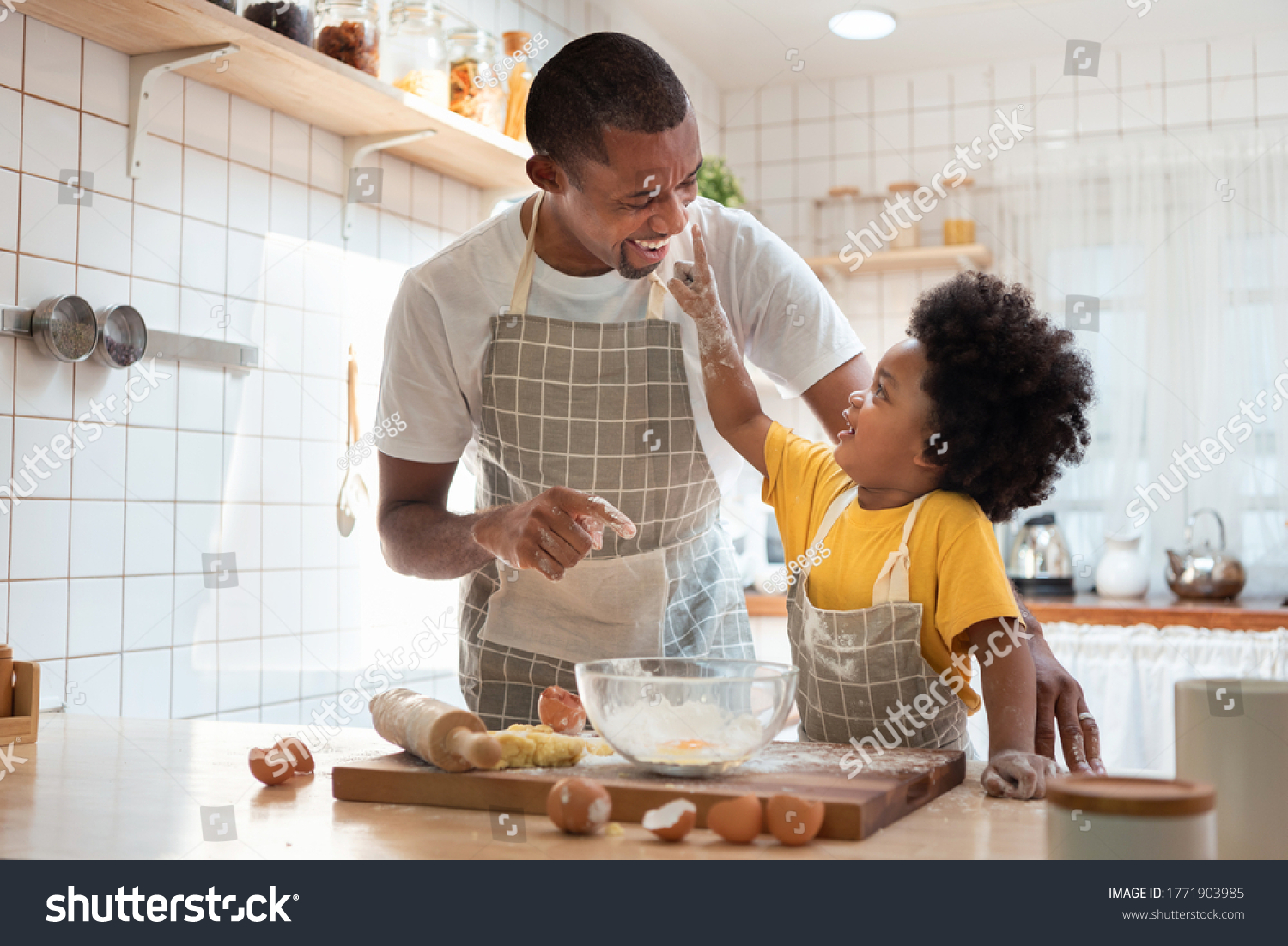
And thirdly, let children get involved with food prep. They feels so proud when something they helped to make is served. And they may be more likely to eat it if they had a hand in making it!

A day or two ahead, let children help you make the recipe below:

You can keep these covered in the refrig for a day or two and then cook right before you serve the meal:

Steve’s Sweet Potato Marshmallow Balls

You will need:

sweet potatoes

1 bag normal sized marshmallows (not mini)

brown sugar

butter

corn flakes

Roast how ever many sweet potatoes you need (1 per 2 people). Place unpeeled sweet potatoes on a cookie sheet and roast at 400 degrees until soft (45 min to an hour).  Let sweet potatoes cool then remove the skin and put into a large mixing bowl. Mash the potatoes using a potato masher or hands.  After mashing add a little brown sugar. Taste. Make sure they are the level of sweetness you and your child like (this may require a bit of negotiation).

Now for the fun part!

Put corn flakes on a cookie sheet with sides and have your child mash with his/her fists.

Then have your child stand at the counter and take one marshmallow. Take a scoop of sweet potato and form into a ball around the marshmallow.  Each ball should be larger than a golf ball but smaller than a baseball.

Roll each sweet potato ball in the corn flakes to coat.

Place finished sweet potato balls on a greased cookie sheet.  Put a small pat of butter on top of each one.

Refrigerate for later use or bake right away at 375 for 15 or 20 minutes or until the marshmallows inside are gooey.  Do not leave in too long or the marshmallows will totally melt and your child will be disappointed.  You can always take one out to test the marshmallow inside!

Serve warm.

Rethinking Thanksgiving

By Dr. Corinne Masur

Now that the Thanksgiving rush is over, the turkey is eaten and we have all returned to our own homes, perhaps we need to rethink this holiday.

Recently I listened to an interesting show on NPR about Thanksgiving from the Native American perspective.

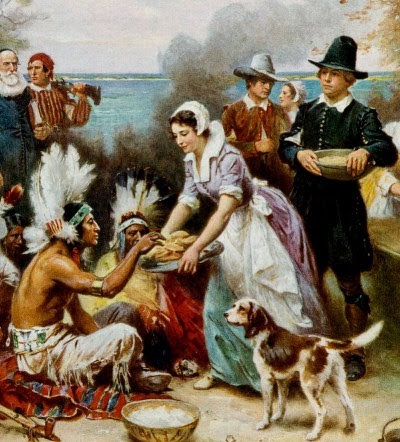
It summarized what we all know by now: that the Thanksgiving story taught to most of us was a largely made up, highly romanticized version of the colonial — Native American relationship.

The show offered the Wompanoag perspective on what happened between the Colonists and the Native people — and it was NOT what any of us heard about in elementary school.

The author of a beautiful children’s book on the subject (see below for link) spoke about her people’s perspective. And if you go to the website that describes her book, this is what it says:

*****

A New Thanksgiving Story for a 21st Century America

Many Americans see Thanksgiving as a holiday rooted in our nation’s birth, celebrating a harvest feast. They imagine tables laden with turkey and its accompaniments, surrounded by brave Pilgrims and their newfound “Indian” friends. These ideas are reinforced every year in America’s classrooms, on televisions and at annual parades as the big day arrives.

Unfortunately, these ideas are based on a myth born at the height of the Civil War. Sarah Josepha Hale, an influential magazine editor who wrote the nursery rhyme “Mary Had a Little Lamb,” fervently campaigned for a national day of thanks. She envisioned a Thanksgiving holiday to celebrate peace and unite a divided country. In September 1863, Hale wrote to President Lincoln, urging him to create a national holiday, and he agreed. Thanksgiving, as we know it, was born.

Images of Pilgrims, “Indians” and turkeys embedded themselves into our nation’s conscience in the decades that followed–all at the expense of the true Thanksgiving story and the Wampanoag peoples who saved the Pilgrims. European historical records and Wampanoag accounts present a very different story.

In September 1620, a group of settlers left Plymouth to start new lives in the colony of Virginia. A storm blew them off course and they found themselves moored off the lands of the Wampanoag people in present-day Massachusetts. The newcomers explored their new world and stole food and provisions from Wampanoag homes. They created a new settlement, named Plymouth, on the site of a Wampanoag village devastated by disease and warfare caused in large part by earlier visits by European traders.

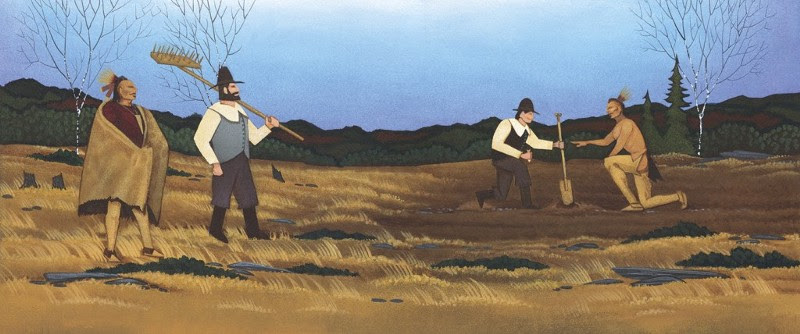
Nearly half of the settlers died that winter, largely due to exposure. When spring came, Wampanoag sachems (leaders), helped the newcomers and taught them how to raise local crops known as the “Three Sisters”: Corn, beans and squash. In November 1621, the settlers celebrated their first harvest. When they heard the gunfire, over 90 Wampanoag warriors and others joined the nearly 50 settlers and feasted as well. This was Keepunumuk, one of many harvest festivals celebrated by the Wampanoag people each year.

Unfortunately, the celebrations — and the newcomers’ thanks — did not last long. Fifty-five years later, in 1676, the settlers killed the son of the Wampanoag sachem who saved them. This was not new. European, and later American, settlers regularly attacked and exploited the Native people they met. This left Native Americans fighting foreign diseases, illegal occupation and removal from their homelands. The American government also created boarding schools that punished Native Americans who dared to speak their language or practice their culture.

*****

This is a painful part of American history — and one that is difficult to know how to approach with our children.

So what is a modern American family to do about this holiday? What can we rightfully celebrate? And what should we emphasize next year?

Many of us love the tradition of Thanksgiving — the turkey, the side dishes, the gathering of family and/or friends, the pies, (most of all the pies).

Or maybe we are vegetarian or vegan or come from elsewhere in the world and do not entirely own this holiday as our own — or maybe we choose not to gather or make a big deal of the day — but most of us have the day off as do our children —

So, how about if we make our own tradition? How about if between now and next year, we think about what kind of holiday ritual makes sense to us?

I suggest, as did the cross-cultural panel of guests on NPR, that we all find ways to celebrate what we have, that we celebrate our gratitude for whatever it is that makes each one of us feel grateful, and that with our children, we make this explicit and spoken.

We can still have a Thanksgiving feast — whether it features turkey or not — and we can still offer toasts or we can go around the table and say what we are grateful for — or we can respect the shy people at our table and just talk about our gratitude more casually — or we can take a hike out in nature and be grateful for the beauty we find there — or we can serve food at a communal kitchen — or we can spend a normal day at home. 

But how about spending the day being grateful — and perhaps also make sure to have the children’s book below on hand to read to our children.

For children:

For adults:

NPR show:

The real history of the first Thanksgiving
In-depth analysis and commentary on today’s biggest news stories as only the BBC can deliver. BBC “Newshour” covers…www.google.com

or read: